How Florida Soil and Ground Conditions Can Affect Sewer Pipes
Sandy washout, swelling clay, sinkholes, and a water table that rises and falls - here is how Florida ground conditions break sewer pipes, and how we fix them.
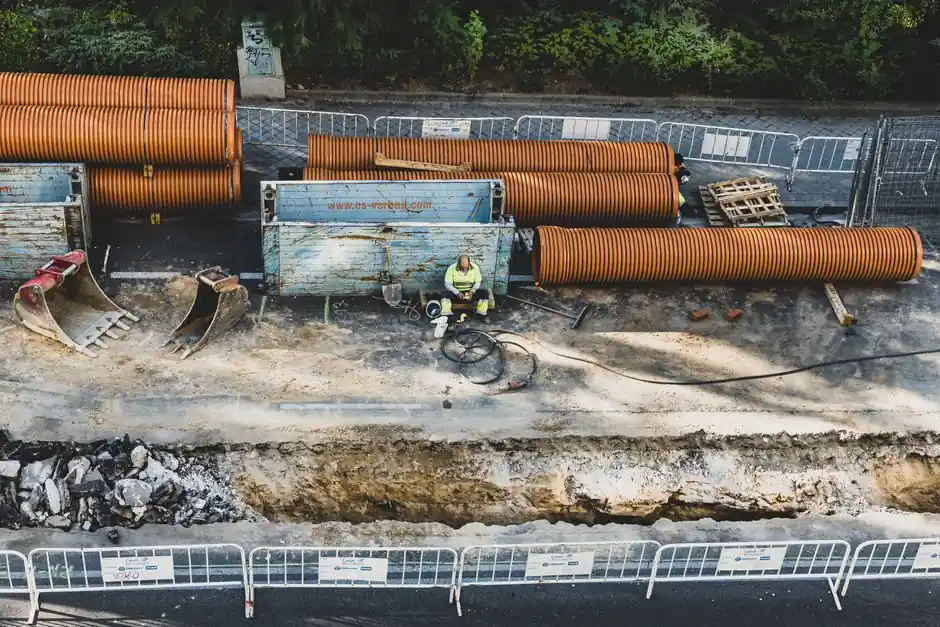
Florida soil and ground conditions affect sewer pipes mainly by moving, washing out, or dissolving the material that supports and surrounds them. Sandy soil drains fast and leaves pipes unsupported, clay-rich soil swells and shrinks with every wet and dry season, and the limestone underneath parts of the state can open voids that drop a pipe out of alignment. That combination is why sewer pipe damage from soil movement in Florida shows up so often in homes built before 1990, when Orangeburg, cast iron, and thin-wall PVC were the standard materials.
Below we break down each ground condition, what it does to the line under your yard, and what a real repair looks like in 2026.
How Florida Soil and Ground Conditions Affect Sewer Pipes
How Florida soil and ground conditions affect sewer pipes is a function of three things: the soil type, the water moving through it, and the pipe material buried in it. Florida is not one soil. You can dig a trench in Pensacola and hit heavy clay, drive two hours south and hit pure sugar sand, and cross a limestone shelf in between.
That matters because each soil behaves differently under a sewer line. Sand shifts. Clay pushes. Limestone dissolves. And every one of those movements puts stress on a pipe joint that was never designed to flex.
Most of the homes we open up are running 4-inch laterals at a slope of roughly 1/4 inch per foot. That is a tight tolerance. Move one section of pipe two inches and waste stops flowing the way it should.
Why Sandy Soil Is the Most Common Cause of Sewer Pipe Damage in Florida
Sandy soil sewer pipe problems in Florida come down to one word: washout. Sand does not hold a trench wall. When groundwater moves through it - and in Florida it moves constantly - the sand migrates, and the pipe loses the bed it was sitting on.
We see this most often in coastal and central Florida neighborhoods built on former scrubland. The pipe is still intact, but it has settled into a low spot. Water pools at that low point instead of draining, and within a year or two you have a recurring clog in the same spot.
Three signs sandy soil is already moving under your line:
- Sinkholes the size of a dinner plate appearing along the sewer trench after heavy rain
- Repeat clogs in the exact same fixture, month after month
- Soft, spongy ground over the lateral when you walk the yard
If you are seeing any of those, a sewer camera inspection Florida will tell you in about 45 minutes whether the pipe has bellied or separated. We run the camera, mark the depth, and show you the footage before we quote anything.
One more thing about sand: it is abrasive. Every time the line backs up and gets snaked, grit scours the inside of older cast iron. That is a big reason cast iron laterals in sandy Florida soil fail from the inside out, not the outside in.
What Type of Soil Is Worst for Sewer Pipes in Florida?
Clay soil sewer line damage in Florida is the worst-case scenario for a buried pipe, and it is not close. Expansive clay can swell 10 percent or more when it soaks up water and shrink back when it dries. That cycle repeats every wet season and every dry season, and it does not stop.
What that looks like underground: the soil grips the pipe, then releases it, then grips it again. Joints work loose. Bellies form. In the worst cases the pipe shears at a joint and offsets by an inch or more.
We see the heaviest clay in pockets around Ocala, Gainesville, and parts of the Panhandle. Homes there tend to show soil shifting sewer pipe repair needs earlier than homes on sand - often within 20 to 30 years of the original install.
If you are in one of those clay zones, our sewer line repair Ocala Florida crews deal with this pattern constantly. The fix is usually not a spot patch. It is restoring the grade so the pipe drains the way it was designed to.
How the three main Florida soils compare
- Sand: drains fast, supports poorly, causes settling and bellies
- Clay: drains slowly, expands and contracts, causes joint separation and shear
- Limestone and muck: can dissolve or compress, causes voids and sudden drops
How Does Soil Movement Cause Sewer Pipe Damage in Florida?
Soil movement sewer line Florida damage happens because the pipe and the soil around it are not moving at the same rate. The pipe is rigid. The soil is not. When the two disagree, the pipe loses.
There are four ways that plays out underground:
- Settlement. The trench backfill compacts over time and the pipe drops. You get a belly where water sits.
- Lateral shift. The soil pushes sideways and the pipe slides off its original line. Joints open.
- Heave. Saturated clay lifts in the wet season and pulls the pipe up with it, killing your slope.
- Root intrusion at the joints. Once a joint opens even a fraction of an inch, roots find it. That is a separate problem, and we handle it with sewer line root removal Florida before we address the pipe itself.
Here is the part most homeowners miss. A single offset joint does not always cause a backup right away. It causes a snag point. Paper, wipes, and grease catch there, and the clog builds slowly for months before you notice anything.
By the time you are calling us, that snag point has usually been there for a while.
Sinkholes and Sewer Lines in Florida
Sinkholes and sewer lines in Florida are connected more often than people realize. When a void opens under a lateral, the pipe has nothing holding it up and it drops - sometimes several feet, sometimes all at once.
We are not geologists and we do not pretend to be. What we can tell you is what we see in the field. A pipe that was running fine last month and is now completely blocked, with no root intrusion and no grease, is usually a pipe that fell into a void.
Signs to take seriously:
- A depression in the yard that follows the sewer trench line
- Water pooling in the yard with no obvious source
- A toilet that gurgles when you run the washing machine
- Ground that feels hollow when you walk over it
If you are seeing those, do not run more water. Call us and we will locate the line and confirm what is happening. We handle this across the metro, and our sewer line repair Tampa Florida team sees the same pattern in the older neighborhoods where limestone sits close to the surface.
The Water Table Nobody Warns You About
Florida's water table rises and falls with the seasons, and that movement stresses sewer pipes in a way most homeowners never think about. In the wet season it can sit within a foot or two of the surface. In a dry spring it can drop several feet.
When the water table drops, the soil above it drains and compresses. When it rises, the soil saturates and expands. Your pipe rides that cycle twice a year, every year.
This is also why we schedule differently than plumbers in drier states. From June through October, we are often working in saturated ground. That changes how we dig, how we shore a trench, and how long a repair takes.
Typical 2026 pricing for a spot repair on a 4-inch lateral in Florida runs $1,800 to $4,500 depending on depth and access. Full replacement of a 40-foot run usually lands between $6,000 and $14,000. Trenchless options sit in the middle of that range and save your yard.
If you want the least disruptive path, trenchless sewer repair in Florida lets us restore the line through two small access pits instead of a 40-foot trench across your lawn.
What to Watch Out For
The biggest mistake we see homeowners make is treating a soil-movement problem like a clog problem. They snake the line, it works for six weeks, and then it backs up again. That cycle can go on for years while the pipe gets worse.
Other things to avoid:
- Pouring chemical drain cleaner down a line with an offset joint. It does not fix the offset, and it can damage older pipe.
- Ignoring a yard depression over the lateral. That is often the first visible sign of washout or a void.
- Letting a slow drain ride through the wet season. Saturated soil makes everything worse, and the repair gets bigger.
- Assuming a new pipe means no future problems. If the soil around it still moves, the new pipe can move too.
One more: do not let anyone quote a repair without camera footage. If a contractor will not show you the inside of the pipe, walk away. We always show the footage.
When to Call a Professional
Call us when you have repeat clogs in the same spot, a depression in the yard over the sewer line, sewage smell in the house, or a drain that is slow in more than one fixture at once. Any of those points to a pipe problem, not a fixture problem.
We are Florida Sewer Line Experts, and we have been working Florida soil long enough to know what each region does to a lateral. We run the camera, we tell you what we see, and we give you a straight price before we start. No guesswork, no upsell.
If you are not sure whether it is the pipe or the soil, start with a sewer line locating in Florida visit. We mark the line, camera it, and give you a clear read on what is happening underground.
Frequently Asked Questions
How does Florida soil affect sewer pipes?
Florida soil affects sewer pipes by shifting, washing out, or dissolving the material around them. Sand leaves pipes unsupported and causes settling. Clay swells and shrinks with the seasons, opening joints. Limestone can form voids that drop the pipe out of alignment. Most failures trace back to one of those three.
Can soil movement cause sewer line damage in Florida?
Yes. Soil movement is one of the leading causes of sewer line damage in Florida. A pipe that shifts even two inches off grade can belly, offset at a joint, or shear. You will usually see repeat clogs in the same spot before you see a full backup.
What type of soil is worst for sewer pipes in Florida?
Expansive clay is the worst soil for sewer pipes in Florida. It can swell 10 percent or more when wet and shrink back when dry, and that cycle repeats every year. Clay-heavy areas like Ocala and Gainesville tend to see soil-related pipe failures within 20 to 30 years.
How do sinkholes affect sewer lines in Florida?
Sinkholes remove the soil supporting a sewer line, so the pipe drops into the void. That can happen suddenly or over months. Signs include a depression in the yard along the trench, gurgling toilets, and a line that blocks with no root or grease cause. Do not run more water if you suspect this.
Does a new sewer pipe fix soil movement problems?
Not by itself. A new pipe still sits in the same moving soil. Lasting repairs restore the grade, stabilize the bedding, and use materials that handle minor movement better. That is why we camera the line after the repair and confirm the slope before we leave.
Get Help with sewerlinerepairfl in Florida
If your line keeps backing up and the yard is telling you something is moving underground, we can find out fast. We handle sewer line repair Florida across the state, from sandy coastal lots to clay-heavy inland neighborhoods.
Call Florida Sewer Line Experts at +1 800-333-3693 and we will get a camera in the line and a straight answer in your hands.