Tree roots invading clay pipe joints
We cut the roots with a Picote root cutter, jet the line clean, and install a CIPP liner that covers every joint. The cured resin leaves no gap for roots to enter. This is the permanent fix, not a seasonal patch.
Sewer pipe lining in Florida restores failing drain lines from the inside out, so you keep your driveway, lawn, and tile intact. We run a sewer camera, clean the line, and install a CIPP liner that seals cracks, joints, and root gaps. If your line backs up every rainy season or you have clay pipe under a slab, we can line it instead of replacing it.
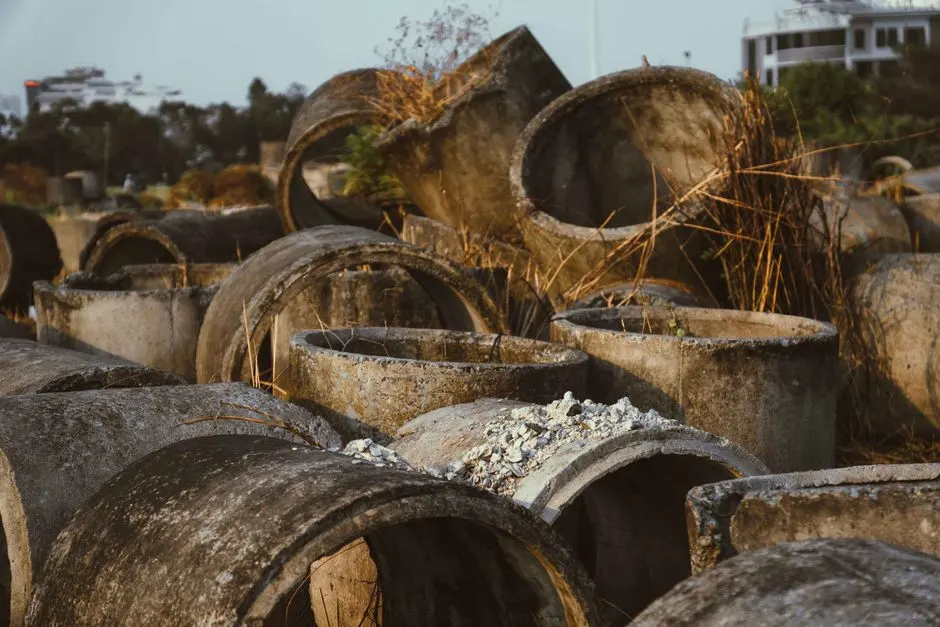
Sewer pipe lining in Florida is a trenchless repair method that rebuilds a damaged drain line from the inside. We feed a resin-saturated CIPP liner through an existing cleanout, inflate it against the pipe wall, and cure it in place with heat or ambient air. The result is a smooth, jointless pipe-within-a-pipe that handles wastewater the same way new PVC pipe does. No trench, no torn-up landscaping, no driveway demolition.
Florida's soil is the real problem. Sugar sand shifts under slab-on-grade homes, cast iron pipe from the 1960s and 70s has corroded through, and clay pipe joints invite tree root intrusion every spring. Heavy rain overloads already-stressed lines. Homeowners searching for sewer pipe lining near me usually have one of three symptoms: repeat backups, soggy patches in the yard, or a camera report showing cracks. Lining fixes all three without excavation.
Every lining job we do includes the full scope from inspection through final camera pass. You get the footage, the warranty, and a clean worksite. Here is what is covered.
We run a sewer camera through the entire line and record it. You see the defects on the monitor with us. The footage is yours to keep, and it documents the before condition for warranty or insurance purposes.
Before any liner goes in, we jet the line at 3,000 to 4,000 PSI to remove grease, scale, and debris. If roots are present, we cut them with a Picote root cutter first. A clean pipe wall is what makes the liner bond.
We wet out the liner with epoxy resin, invert it through the cleanout, and press it against the pipe wall. The resin cures into a hard, seamless pipe. This is the core of the job, and it takes two to four hours for a typical residential run.
We cure the liner with controlled heat, cool it, and run the camera one last time to confirm a smooth, fully bonded surface. Then we restore the cleanout and test flow with a full flush. You get the after footage.
Every CIPP installation carries a written warranty on materials and workmanship. If the liner fails within the warranty window, we come back and fix it. We also hand you the documentation you need for home warranty or insurance claims.
We push a sewer camera through the cleanout and record the full run. You see the cracks, root balls, and bellies on the monitor with us. This inspection tells us whether lining is the right fix or whether the pipe is too far gone. It takes 30 to 45 minutes.
A hydro jetting machine scours grease, scale, and debris off the pipe walls at 3,000 to 4,000 PSI. The liner needs a clean surface to bond to. If roots are present, we run a root cutter first, then jet. Skipping this step is why cheap liners fail early.
We wet out the CIPP liner with epoxy resin, load it into the inversion drum, and push it through the pipe with air pressure. The liner presses flat against the host pipe wall. Depending on diameter and length, this stage runs two to four hours.
Steam or ambient air cures the resin until it hardens into a structural pipe. We monitor temperature the whole time; a proper cure needs consistent heat, not a quick flash. Once cured, we cool the line and release the inflation bladder. The new pipe is now load-bearing.
We run the camera one more time to confirm a smooth, fully bonded liner with no wrinkles or gaps. You get the footage. Then we restore the cleanout, test flow with a full flush, and walk you through the warranty. Most jobs wrap the same day.
Purpose-built equipment, used by trained technicians — so the job is done accurately the first time.
We push a camera through the line to record the full run. The crawler gives us a clear view of cracks, roots, and misalignments. You see the footage with us before we quote the job.
A high-pressure jetter scours grease, scale, and debris off the pipe walls at 3,000 to 4,000 PSI. A clean wall is what allows the liner to bond properly.
We use a Picote cutter to grind roots out of the line before lining. It cuts through root balls that a drain snake cannot clear. The liner then covers the joints so roots cannot return.
The inversion drum holds the resin-saturated liner and pushes it through the pipe with air pressure. It ensures the liner presses evenly against the host pipe wall.
We use a pipe locator to map the line before any work starts. Knowing the exact path prevents accidental damage and helps us plan cleanout access.
A homeowner in Hollywood had repeat backups every spring for three years. The camera showed a clay line with roots at every joint and a partial blockage near the cleanout. Snaking cleared it temporarily, but the roots returned within months.
We cut the roots with a Picote cutter, jetted the line at 3,500 PSI, and installed a CIPP liner. The after footage showed a smooth, seamless pipe with no root gaps. Two years later, the line has not backed up once.
A 1968 ranch home had a cast iron line under the slab that was scaling and cracking. The homeowner faced a $15,000 excavation to replace the line. The camera showed the pipe was still structurally sound but heavily corroded.
We lined the line with a CIPP liner through the existing cleanout. The job took one day. The homeowner kept their tile floor intact and saved thousands compared to excavation. Flow tested clean on the final camera pass.
A restaurant in Jacksonville had a 6-inch drain line clogged with grease and scale. The line backed up into the kitchen during dinner service. The building had a concrete floor, so excavation was not an option.
We jetted the line, then installed a CIPP liner rated for commercial waste streams. The work happened overnight so the restaurant stayed open. The after camera showed a smooth, grease-resistant surface. No backups since.
Most sewer problems in Florida come down to old pipe, shifting soil, and roots. Lining fixes the pipe without tearing up the yard. Here are the issues we see most.
Ask a pro →We cut the roots with a Picote root cutter, jet the line clean, and install a CIPP liner that covers every joint. The cured resin leaves no gap for roots to enter. This is the permanent fix, not a seasonal patch.
If the pipe still has structural integrity, we line it. The epoxy resin bonds to the cast iron and creates a new, smooth interior. If the pipe is collapsed, we switch to pipe bursting and pull a new HDPE pipe through.
We inspect the line, identify the infiltration points, and line the pipe. A seamless CIPP liner stops groundwater from entering. You get a line that handles storm flow without backing up into the house.
We run a camera to find the misalignment, then line the pipe if the structure allows. The liner bridges small gaps and restores a smooth flow path. If the pipe has separated completely, we use trenchless replacement.
$4,000 - $12,000 for most residential jobs; commercial lines quoted separately
Sewer pipe lining cost in Florida depends on pipe length, diameter, access, and the condition of the line. Most residential jobs run $4,000 to $12,000. Commercial lines and longer runs cost more. We give you a flat price after the camera inspection, so you know the number before we start. No hourly billing, no surprise change orders. If you are comparing sewer pipe lining vs pipe bursting Florida, we will tell you which one fits your line and why.
Lining costs less than excavation and replacement in most cases. You avoid tearing up your yard, driveway, or floors. The liner lasts 50 years or more, and it comes with a written warranty. That is a permanent fix, not a temporary patch.
A 20-foot, 4-inch residential lateral is at the low end. A 100-foot run or a 6-inch commercial line costs more because it requires more liner material and longer cure time. We measure the line on camera before quoting.
Easy cleanout access keeps the price down. If we need to install a new cleanout or work through a tight space, that adds labor. We handle the access work as part of the job and include it in the flat price.
Heavy root intrusion or thick grease requires more jetting and cutting before the liner goes in. If the line needs extensive cleaning, that adds time. We include prep in the quote after seeing the camera footage.
A line with minor cracks is a straightforward lining job. A line with collapsed sections or severe misalignment may need pipe bursting instead. We make that call on camera and explain the cost difference before you decide.
“We had roots in our clay line for the third year in a row. The crew from Florida Sewer Line Experts cut the roots, showed us the camera footage, and lined the whole run in one day. No digging, no new sod. That was two years ago and we have not had a single backup since.”
Maria G.Homeowner, Hollywood
✓ Verified“I manage a 12-unit building with cast iron drain lines from the 60s. We had repeat backups in three units. They lined the main runs without shutting down the building. The tenants barely noticed. The camera footage they gave us went straight into our maintenance file.”
Derek T.Property Manager, Jacksonville
✓ Verified“Our line backed up into the laundry room on a Sunday. They came out that afternoon, jetted it clear, and scheduled the lining for Tuesday. Flat price, no surprises. They even sealed the cleanout and tested the flow before they left. Worth every penny.”
Angela R.Homeowner, Town 'n' Country
✓ VerifiedMost residential sewer pipe lining cost in Florida runs $4,000 to $12,000 depending on pipe length, diameter, and access. A short 20-foot lateral with easy cleanout access sits at the low end. Longer runs under slabs, multiple cleanouts, or commercial diameters push higher. We give you a flat number after the camera inspection, so you are not guessing.
A properly installed CIPP liner lasts 50 years or more. The epoxy resin cures into a hard, inert surface that does not corrode, rust, or scale like cast iron. Florida's soil movement and heavy rain do not degrade it. The main threat is root intrusion at the cleanout connection, which is why we seal and restore that fitting.
Homeowners insurance rarely covers sewer pipe lining because it is classified as maintenance or wear-and-tear. Some policies cover the water damage from a backup but not the pipe repair itself. Home warranty plans sometimes cover lining if the pipe is deemed failed. We provide camera footage and a written scope you can submit for review.
Yes. We cut the roots out with a Picote root cutter, jet the line clean, then install the liner. The cured resin covers every joint and crack, so roots have no entry point. This is the permanent fix for the root problem. Snaking only clears the line temporarily; the roots grow back within a season.
We provide sewer pipe lining in Florida statewide, from the Panhandle to South Florida. Our trucks carry lining equipment and cameras, so we handle the job from inspection to final pass. Whether you are in a historic district or a new subdivision, we deliver the same process: inspect, clean, line, verify. Here are some of the cities we serve.
 Sewer Line InspectionEvery lining job starts with a camera inspection. We record the full run, mark defects, and give you footage. If lining is not the right fix, the inspection tells us what is.Explore →
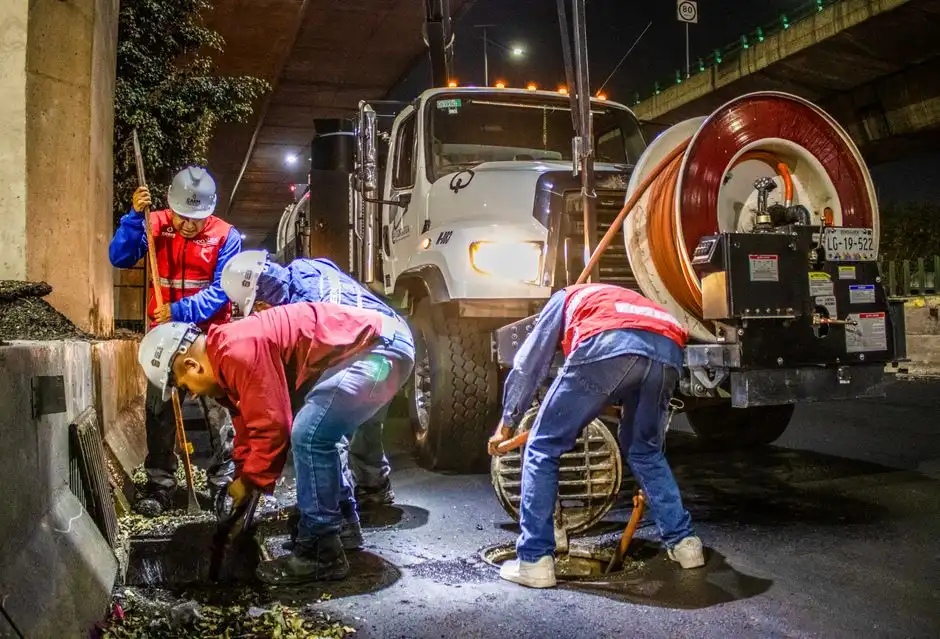 Sewer Line ReplacementWhen a pipe is collapsed or too deteriorated to line, replacement is the answer. We handle full replacements with minimal excavation and restore the surface when we are done.Explore →
 Trenchless Sewer RepairLining is one trenchless method. We also use pipe bursting and directional boring when the situation calls for it. The camera decides which approach fits your line.Explore →
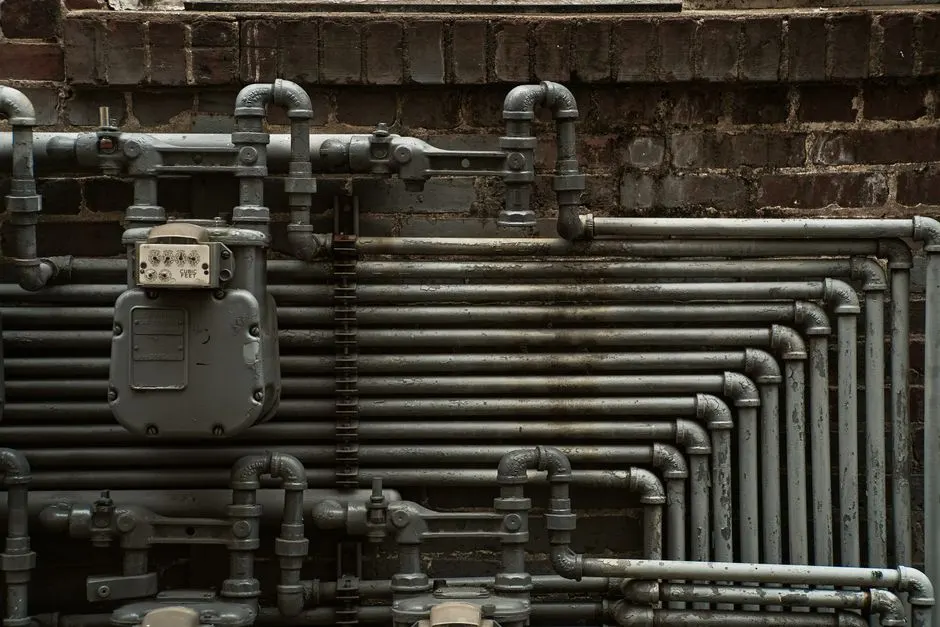 Pipe BurstingIf your line is collapsed or undersized, pipe bursting pulls a new HDPE pipe through the old one. It handles the cases lining cannot, and it is still trenchless.Explore →
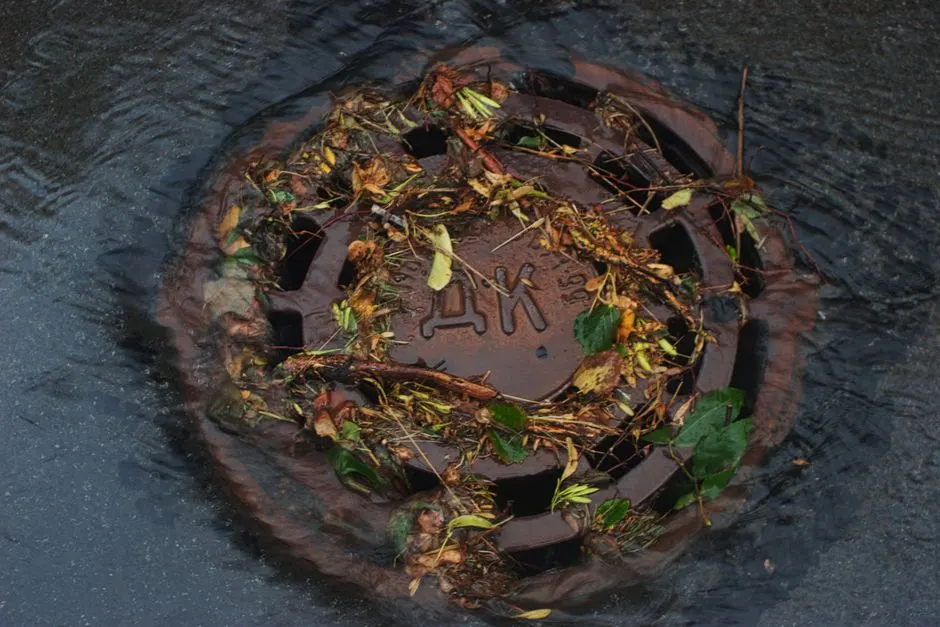 Sewer Line Clog RemovalGrease, scale, and debris cause backups. We hydro jet the line clear, then inspect it. If the clog keeps returning, lining may be the permanent fix.Explore →
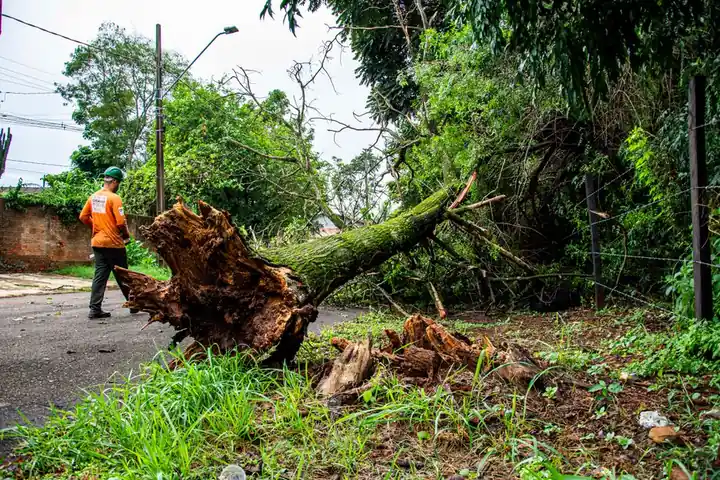 Tree Root RemovalRoots enter through joints and cracks. We cut them with a Picote cutter, flush the debris, and then line the pipe so roots cannot return.Explore →
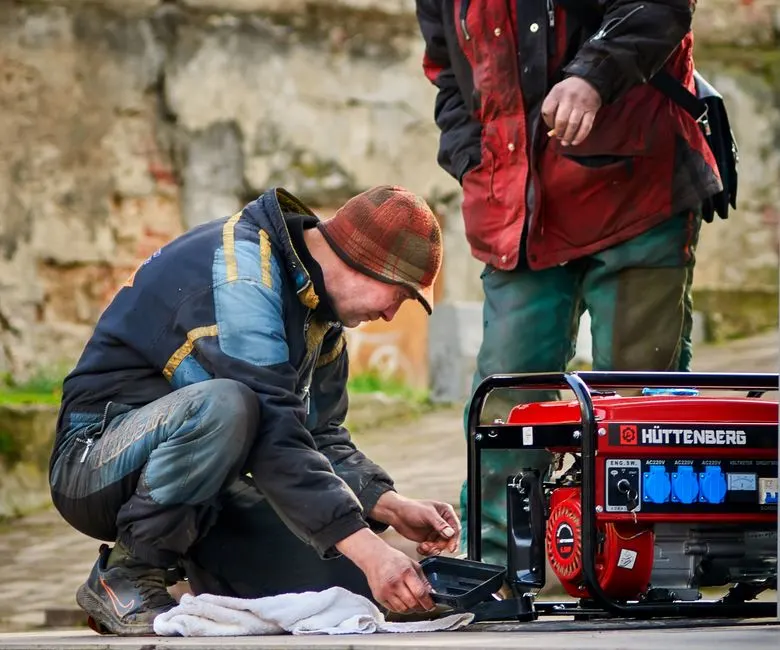 Sewer Backup RepairWhen sewage backs into the house, we clear the line first, then diagnose the cause. If the pipe is cracked or root-invaded, lining stops the next backup.Explore →
 Emergency Sewer Line RepairWe run 24/7 emergency dispatch. If your line fails at 2 a.m., we clear it, stabilize the situation, and schedule the permanent repair.Explore →
Call now for a same-day camera inspection and a flat price on sewer pipe lining in Florida. We show up when we say we will, and we leave the worksite clean. One call gets a truck rolling.
Call Now +18003333693 →Reach out anytime, day or night. Our dispatch team answers calls 24/7 and can schedule a same-day inspection or emergency repair. We serve all of Florida, from the Keys to the Panhandle. Call, email, or fill out the form and we'll get back to you within minutes.