Sewage backing up after heavy rain
We clear the line, camera the lateral, and install or repair backflow prevention where needed. For properties that flood repeatedly, we recommend a backwater valve and a camera inspection after each storm season.
When sewage backs up into your home or business, sewer backup repair in Florida has to start fast. We handle emergency calls across the state, pull the blockage, sanitize the mess, and fix the failed pipe so it does not happen again. From Kissimmee to West Palm Beach, our licensed crews carry the cameras and jetters to find the real cause, not just the symptom.
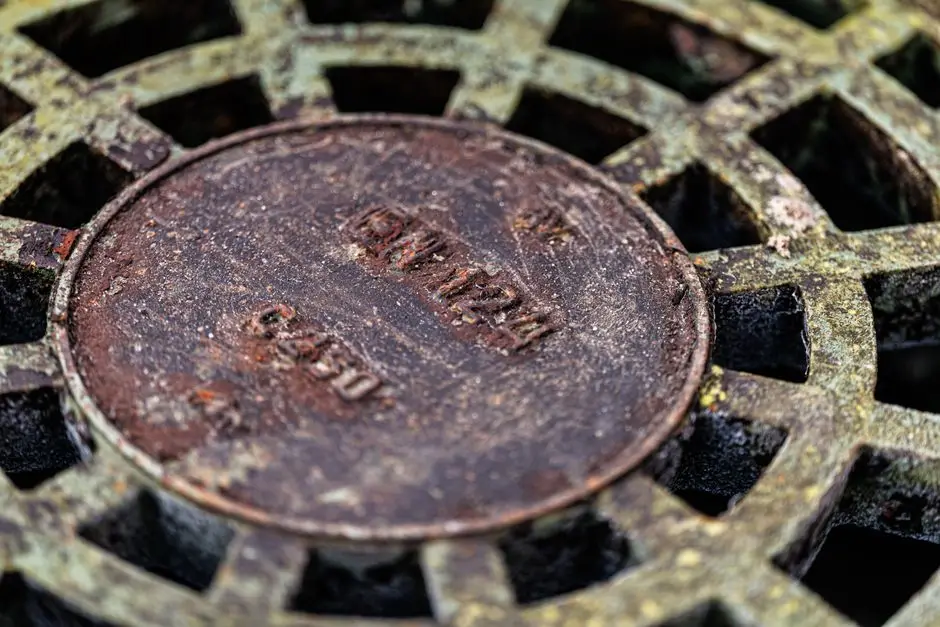
Sewer backup repair in Florida means stopping the flow of sewage into your building, clearing the blockage, and repairing whatever failed in the line. That could be a root-choked clay pipe under a 1960s Miami-Dade home, a collapsed cast iron lateral in an older Tampa neighborhood, or a grease-loaded commercial line behind a restaurant. We run a sewer camera to see the actual problem, then hydro jet, cut roots, or replace the damaged section. No guessing, no repeat visits.
Florida's flat terrain, high water table, and sandy soil put constant stress on sewer laterals. Heavy rain overloads municipal mains, pushing sewage backward into the lowest drains. Tree roots find every hairline crack. Cast iron from the 1950s and clay pipe from the 1940s are still buried under thousands of homes. When you search for sewer backup repair near me after a storm, you need a crew that knows how these systems fail here.
Every backup call gets the full treatment: emergency response, camera diagnosis, blockage clearing, repair of the failed section, and cleanup. Here is what is covered in a standard job. If your situation needs something outside this scope, we tell you before we start and price it separately.
A live dispatcher answers any hour of the day. We send the nearest crew with a fully stocked truck. Most Florida metros see a technician within 60 to 90 minutes of your call.
We run a crawler camera down the line and record the footage. You see the blockage, the pipe condition, and the exact location. This is included on every backup call, not sold as an add-on.
Grease, sludge, and roots get cleared with a 3,000 to 4,000 PSI jetter and root cutter head. We flush the line to the city main and confirm flow before moving to repair.
Cracked or collapsed sections get repaired with a pipe coupling, CIPP liner, or section replacement. We match the repair to the pipe material and the depth of the failure.
We extract standing sewage, remove contaminated materials, apply hospital-grade disinfectant, and run commercial air movers until the space is dry. You get a safe room back.
Before we leave, we flow-test the line and camera it one more time. You get a written summary and the footage. If a permit or inspection is needed, we handle that too.
You call and describe what is backing up and where. We ask a few quick questions to size the crew and equipment, then dispatch the nearest truck. In most Florida metros, a technician is on-site within 60 to 90 minutes. You get a call or text with the tech's name and ETA.
First priority is stopping the mess from spreading. We shut off water if needed, block the affected drains, and set containment. Then we pull the cleanout cap and run a sewer camera to see the blockage, the pipe condition, and the depth. This takes 20 to 40 minutes on a typical residential line.
Depending on what the camera shows, we hydro jet the line at 3,000 to 4,000 PSI, run a root cutter, or snake the drain with a RIDGID sectional machine. Grease, roots, and debris get flushed to the city main. You will hear the line open up when flow returns.
If the pipe is cracked, collapsed, or root-damaged, we repair it. Small breaks get a pipe coupling or CIPP liner. Larger failures may need trenchless pipe bursting equipment or a traditional excavation. Most residential repairs are completed in one to two days.
We extract standing sewage, disinfect the area, and run air movers until surfaces are dry. Then we flow-test the line and run the camera one more time to confirm the repair. You get a written summary and footage of the finished work before we leave.
Purpose-built equipment, used by trained technicians — so the job is done accurately the first time.
We use CUES and Insight Vision crawlers to inspect lines from 2 inches to 36 inches. The footage shows blockages, cracks, root intrusion, and pipe material so we can plan the repair.
A Vactor or Sewer Equipment jetter pushes water at 3,000 to 4,000 PSI to scour grease, sludge, and roots from the pipe walls. It restores full flow capacity, not just a pinhole.
For smaller lines and tight spaces, a RIDGID sectional machine clears soft blockages fast. We use it when jetting is not practical or when the line needs a quick open before camera work.
A transmitter and locator trace the sewer line from cleanout to city main. We mark the path and depth so excavation stays tight and we avoid hitting irrigation, gas, or electrical lines.
HammerHead and Picote bursting heads pull new HDPE pipe through the old line while breaking the host pipe outward. Ideal for collapsed or undersized laterals under driveways and trees.
We wet out and invert epoxy resin liner through the existing pipe, then cure it with air or steam. The result is a seamless, root-proof pipe with a 50-year design life.
A homeowner called after sewage backed up into the laundry room for the third time in a year. The previous plumber snaked the line each time. A camera inspection showed roots filling 70 percent of the pipe at the 35-foot mark.
We cut the roots, jetted the line, and installed a CIPP liner through the damaged section. Flow test showed full capacity restored. The homeowner has not had a backup in 14 months.
A 1950s bungalow had repeated backups and a sinkhole forming near the driveway. Camera footage showed a collapsed cast iron section 6 feet under concrete. Traditional excavation would have meant tearing out the driveway.
We used pipe bursting equipment to pull new HDPE pipe through the old line. The driveway stayed intact. The repair was done in one day, and the sinkhole was filled and compacted.
A busy restaurant had kitchen backups every few weeks. The grease trap was serviced, but the lateral was still coated with hardened grease. Health inspector flagged the issue during a routine visit.
We hydro jetted the line at 4,000 PSI, cameraed it, and lined the rough cast iron section. The kitchen has run six months without a backup, and the inspector signed off on the repair.
Sewer backups show up in different ways depending on the building, the pipe material, and the weather. Here are the problems we get called for most across the state.
Ask a pro →We clear the line, camera the lateral, and install or repair backflow prevention where needed. For properties that flood repeatedly, we recommend a backwater valve and a camera inspection after each storm season.
We cut the roots with a root cutter head on the jetter, flush the debris, and camera the line. If the joints are compromised, CIPP lining seals them so roots cannot get back in.
We locate the break with a pipe locator, then repair it with trenchless methods when possible. CIPP liner or pipe bursting equipment restores the line with minimal digging.
We hydro jet the line, camera it, and set a maintenance schedule. For restaurants that back up repeatedly, we line the pipe so grease cannot cling to rough cast iron.
$350 - $2,500 depending on scope
Typical 2026 pricing for sewer backup repair in Florida ranges from $350 for a simple blockage clear to $2,500 or more for a pipe replacement or lining job. Emergency after-hours calls add a dispatch fee. The biggest cost drivers are the cause of the backup, the depth of the pipe, and whether we can use trenchless methods. We give you the full price before we start, and it does not change unless you approve new work.
The cheap fix is the one you pay for twice. We clear the line, fix the cause, and clean the mess under one ticket. That means one invoice, one warranty, and no repeat visits for the same problem.
A grease or debris clog clears with hydro jetting and costs the least. Root intrusion needs cutting and sometimes lining. A collapsed pipe is the most expensive because it requires repair or replacement.
A shallow lateral in the yard is easy to access. A line under a concrete slab, driveway, or pool deck takes more time and equipment. Trenchless methods cost more upfront but save on restoration.
Clay pipe and cast iron are common in older Florida neighborhoods and often need lining or replacement. PVC pipe is easier to repair with a coupling. Camera inspection tells us which path makes sense.
After-hours, weekend, and holiday calls carry a dispatch premium. If you can schedule during normal hours, you save on the emergency fee without sacrificing response quality.
“Sewage came up through the laundry drain on a Sunday night. They had a tech at my door in about an hour. He cameraed the line, found roots at the 40-foot mark, jetted them out, and showed me the footage. Price was what they quoted on the phone. No games.”
Marcus D.Homeowner, Kissimmee
✓ Verified“Our kitchen line backed up during dinner service. They hydro jetted the grease out, then lined the pipe so we would not be back here next month. They worked overnight so we could open the next day. That is the kind of crew you keep on speed dial.”
Elena R.Restaurant Owner, West Palm Beach
✓ Verified“We manage 14 buildings and backups happen. These guys handle the emergency, the cleanup, and the pipe repair under one ticket. They document everything for our insurance claims. Response time has been under 90 minutes every time we call.”
Darnell W.Property Manager, Tamarac
✓ VerifiedMost residential sewer backup repair in Florida runs $350 to $2,500 depending on the cause. Clearing a simple blockage with hydro jetting sits at the low end. Replacing a collapsed pipe section or installing a CIPP liner pushes toward the higher end. Emergency calls after hours add a dispatch fee. We give you the full price before we start work.
Standard Florida homeowners policies usually exclude sewer backup unless you added a specific endorsement. Many carriers offer it for $50 to $150 per year in extra premium. If you have the endorsement, it typically covers cleanup, damaged belongings, and sometimes the pipe repair. We document the loss with photos and a written report to support your claim.
The most common causes we see are tree root intrusion, grease buildup, cracked or broken pipe, and heavy rain overload on municipal mains. Older Florida neighborhoods with clay pipe or cast iron laterals are especially prone. Soil shifting and sinkhole damage also crack lines. A sewer camera inspection tells you which one you are dealing with in about 30 minutes.
Do not use a shop vac or mop. Sewage carries bacteria that spreads with every pass. Turn off the HVAC if the water reached vents, keep people and pets out, and call a crew with extraction and disinfection equipment. We remove standing water, dispose of contaminated drywall or carpet, apply hospital-grade disinfectant, and dry the space to prevent mold.
We run crews across the state so a backup in Kissimmee gets the same fast response as one in West Palm Beach. From the Gulf Coast to the Atlantic, our trucks carry cameras, jetters, and lining equipment. No matter where you are, one call reaches a dispatcher who knows the closest crew.
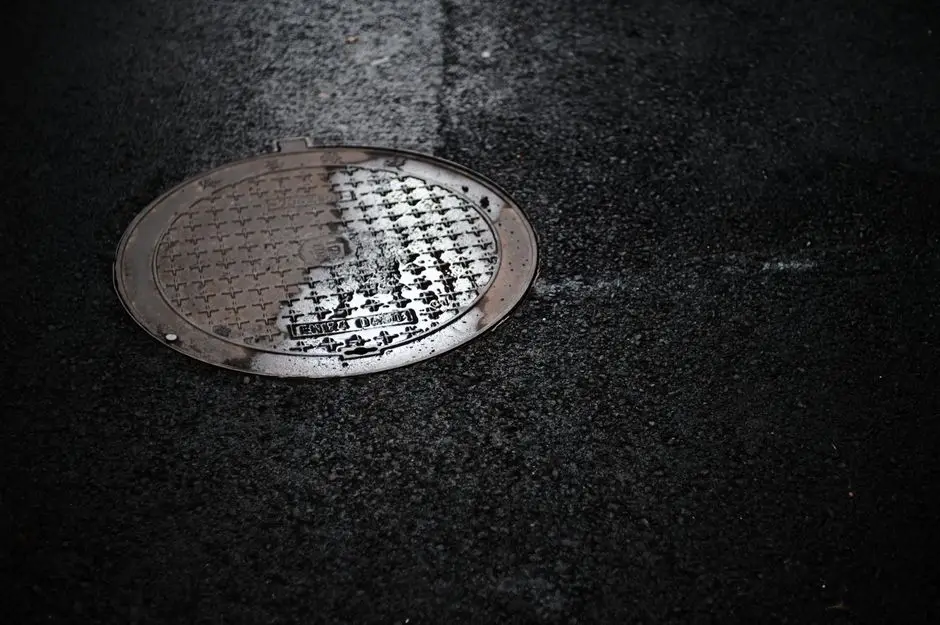 Sewer Line InspectionA camera inspection is step one on every backup we run. We push a crawler through the line, record the footage, and mark the exact depth and location of the defect. You get the video and a written report.Explore →
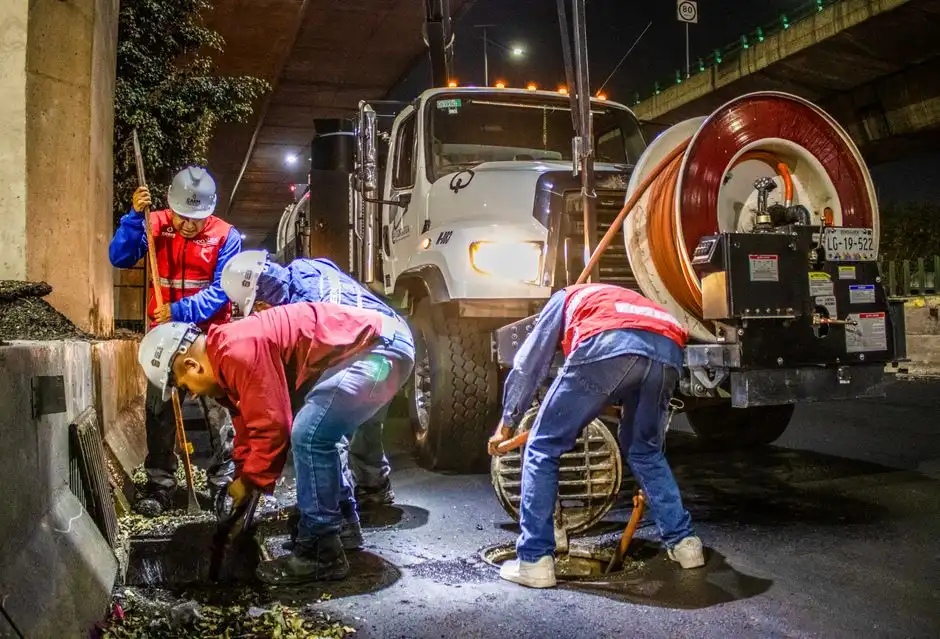 Sewer Line ReplacementWhen a line is too far gone for spot repair, we replace the full run. That means new PVC pipe, proper slope, and code-correct connections. Most residential replacements take one to two days from dig to backfill.Explore →
 Trenchless Sewer RepairTrenchless repair fixes the line without tearing up your yard. We use CIPP liner or pipe bursting equipment to restore flow capacity from inside the existing pipe. Ideal for driveways, mature trees, and pool decks.Explore →
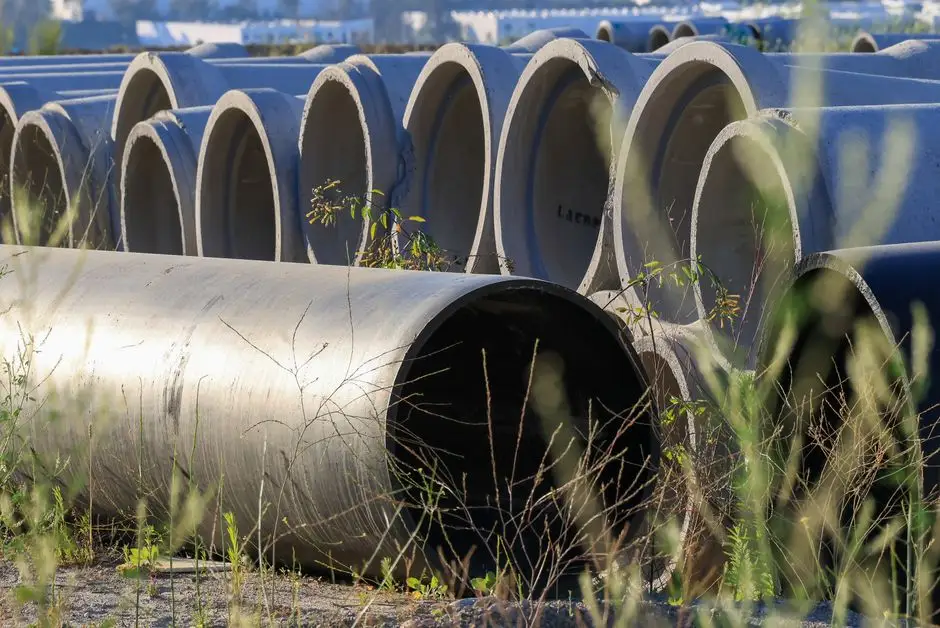 Sewer Pipe LiningCIPP lining creates a new pipe inside the old one. An epoxy resin liner is inverted into place, inflated, and cured. The result is a seamless, root-proof pipe with a 50-year design life. No joints for roots to find.Explore →
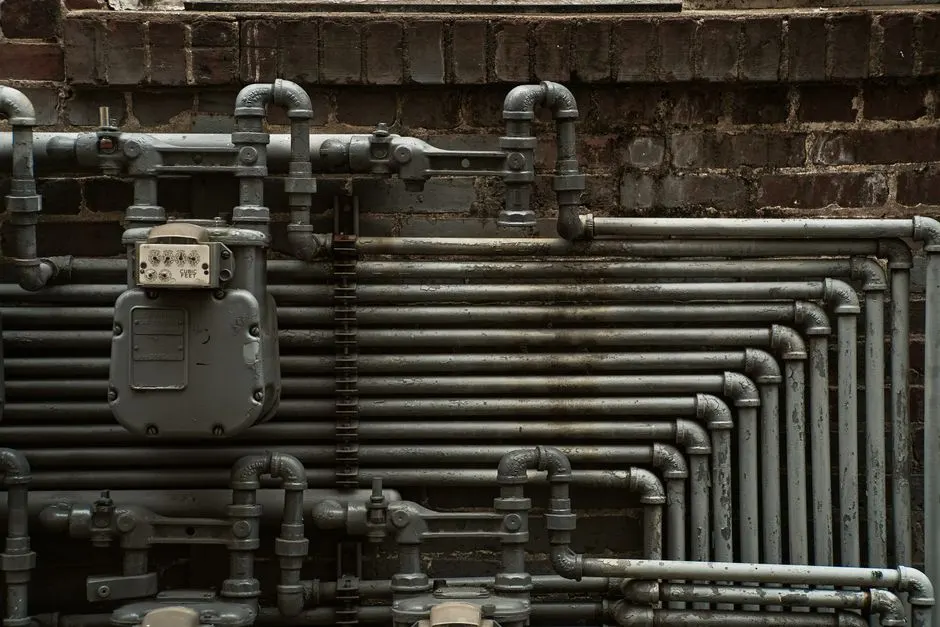 Pipe BurstingPipe bursting pulls a new HDPE pipe through the old one while breaking the host pipe outward. It is the go-to method when the existing line is collapsed or undersized. We use HammerHead and Picote equipment for these runs.Explore →
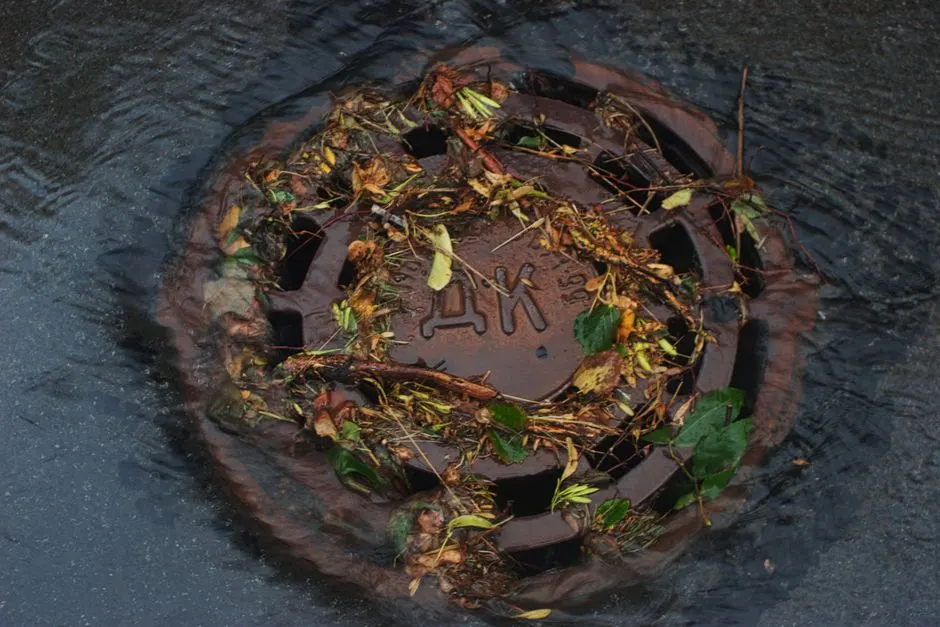 Sewer Line Clog RemovalNot every backup needs a repair. Grease, wipes, and debris clear with hydro jetting or a drain snake. We jet at 3,000 to 4,000 PSI, then camera the line to confirm it is clean before we leave.Explore →
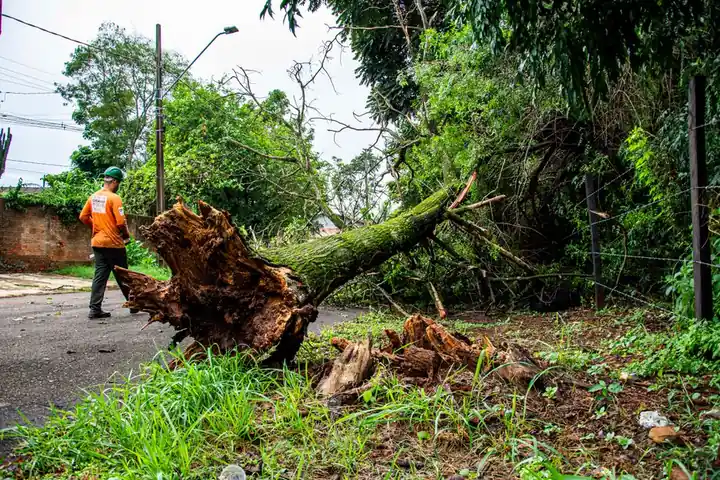 Tree Root RemovalFlorida's oaks and ficus send roots into every pipe joint they can find. We cut roots with a root cutter head on the jetter, then recommend lining or replacement so they do not come back next season.Explore →
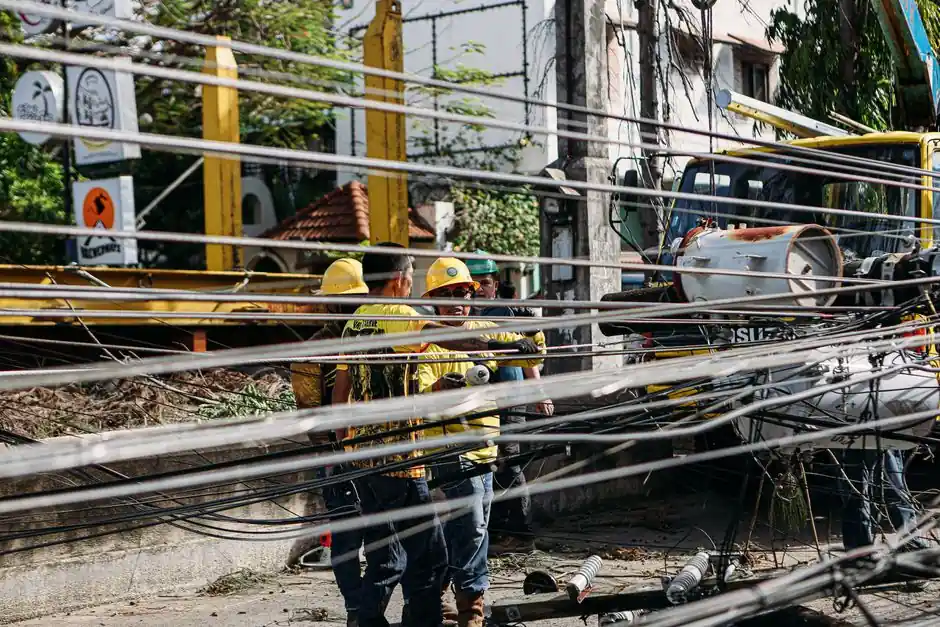 Emergency Sewer Line RepairSewage in the house at midnight is an emergency. We run 24/7 crews across Florida for emergency sewer backup repair. Call and we dispatch the nearest truck with full equipment on board.Explore →
Sewage waits for no one. Call now and we dispatch the nearest crew with cameras, jetters, and cleanup equipment on board. Licensed, insured, and available 24/7 across Florida.
Call for Dispatch +18003333693 →Reach out anytime, day or night. Our dispatch team answers calls 24/7 and can schedule a same-day inspection or emergency repair. We serve all of Florida, from the Keys to the Panhandle. Call, email, or fill out the form and we'll get back to you within minutes.