Sewage backing up into tubs and showers
We clear the blockage first to stop the backup, then camera the line to find the cause. If a broken section is behind it, we repair or replace that section the same visit and test flow before we leave.
When a sewer line backs up at 2 a.m. or a post-storm collapse floods your yard, emergency sewer line repair in Florida from our licensed crews stops the damage fast. We run sewer cameras, locate the break, and fix it the same day across the state. One call gets a master tech rolling with the right tools on the truck.
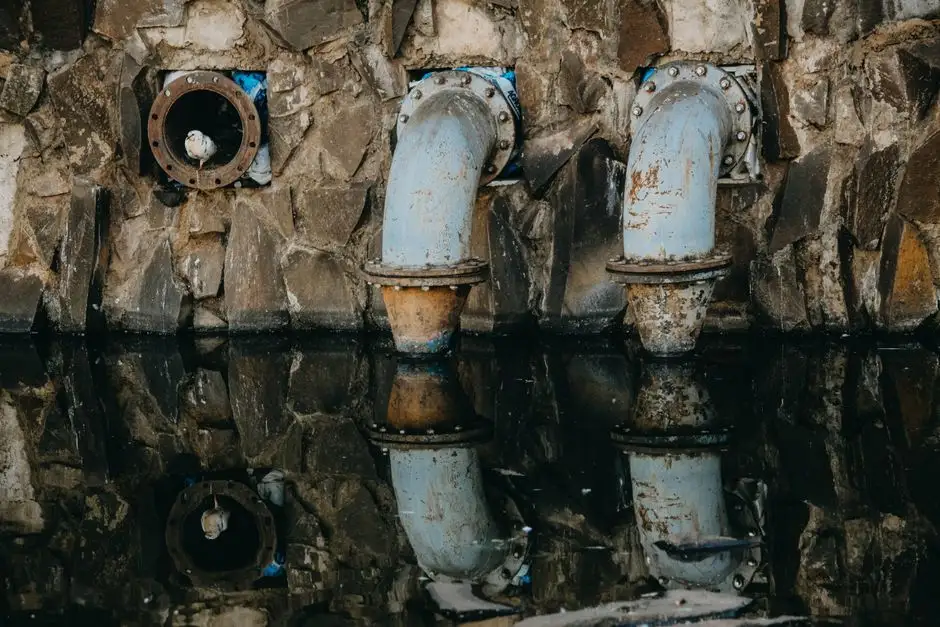
Emergency sewer line repair in Florida is the urgent diagnosis and correction of a failed underground sewer pipe that is actively backing up, leaking, or collapsing. It is not a drain cleaning. We run a sewer camera through the line, locate the break with a pipe locator, and then repair or replace the damaged section, whether that means cutting out cracked or broken pipe and coupling in new PVC pipe or HDPE pipe, or installing a CIPP liner. Every job ends with a flow test before we leave.
Florida sewer lines fail for specific reasons. Tree root intrusion from oak and ficus roots, soil shifting in sandy coastal ground, heavy rain overload during storm season, and pipe corrosion in older cast iron pipe and clay pipe all push lines past their limit. If you are searching for emergency sewer line repair near me at midnight, you need a crew that already knows these failure patterns. We do, and we carry the parts to fix them on the first visit.
Every emergency call includes the diagnosis, the repair, and the proof it worked. We quote the whole job as one flat price after the camera inspection, so you are not paying separately for each step. Here is what is covered on a standard emergency sewer line repair.
We run a sewer camera through the line and mark the failure point with a pipe locator. You see the footage and get a plain-English explanation of what failed and why before we quote the repair.
Roots, grease buildup, and soft blockages get cleared with hydro jetting or a drain snake so we can see the pipe wall and assess real damage. Clearing is included in the emergency call, not billed as a separate visit.
We cut out failed pipe and couple in new PVC pipe or HDPE pipe, or install a CIPP liner when the pipe qualifies. Materials, couplings, and labor for the quoted section are all in the flat price.
After the repair we run water through the line and send the camera back down to confirm full flow and sealed joints. You get a written summary of the repair and the footage on request.
We clean the work area, bag debris, and haul off old pipe and spoil. Your yard or driveway is left as close to its original condition as the repair allows, with no pile of dirt left behind.
You reach a live dispatcher, not a voicemail. We ask where the backup is showing, how many fixtures are affected, and whether you smell gas or see standing sewage. That tells us what to load and how fast to roll. You get an arrival window before you hang up.
The tech walks the line, checks cleanouts, and runs a sewer camera to see the actual condition inside the pipe. We mark the break with a pipe locator so we know exactly where to work. This takes 30 to 60 minutes on most residential jobs.
We show you the camera footage and explain the problem in plain terms: root intrusion, a cracked or broken pipe, corrosion, or a collapsed section. You get a flat price for the repair before we start. No surprise line items after the fact.
Depending on the damage, we hydro jet to clear roots and grease buildup, cut out and couple in new pipe, or install a CIPP liner. Trenchless methods handle most jobs without excavation. Typical repairs run two to six hours once we start.
We run water through the line and re-camera it to confirm full flow and a sealed repair. Then we clean the work area and haul off debris. You get a written summary of what failed, what we fixed, and how to keep it from happening again.
Purpose-built equipment, used by trained technicians — so the job is done accurately the first time.
We run a camera through the line to see cracks, roots, offsets, and corrosion directly. Insight Vision and CUES crawlers record footage you can keep for insurance claims.
Marks the exact path and depth of the sewer line before we dig, protecting irrigation, gas lines, and landscaping while keeping the repair focused on the damaged section.
Blasts grease buildup, roots, and scale off pipe walls with high-pressure water. Vactor and Sewer Equipment jetters clear lines that a drain snake cannot touch.
Cuts tree roots out of the pipe without damaging the walls. Picote and RIDGID cutters handle heavy root intrusion in oak and ficus-heavy neighborhoods.
Pulls new HDPE pipe through the old line while breaking the failed pipe outward. HammerHead systems replace collapsed sections with minimal digging.
Installs epoxy resin-saturated liner inside the existing pipe to seal cracks and joints. A strong option for clay pipe and cast iron pipe that still has structural shape.
A homeowner dealt with slow drains for months, then a full backup into the laundry room. Camera footage showed roots at three joints and a 6-foot section of cracked clay pipe 40 feet from the cleanout.
We jetted the line, cut the roots, and replaced the cracked section with new PVC pipe and couplings. Flow test passed, and the line has run clear since. Total job time was about five hours.
A property manager had tenants reporting backups and a sewage smell near the parking area. The line had collapsed under the concrete driveway, and open-cut repair would have meant tearing out the slab.
We used trenchless pipe bursting to pull new HDPE pipe through the failed section. The driveway stayed intact, tenants stayed in place, and the line was back in service in two days with a warranty.
After a heavy rain event, a homeowner's yard was soggy and the sewer smelled. Camera inspection found a cracked section where saturated soil had shifted and stressed the pipe, with leakage into the surrounding soil.
We located the break, excavated only the damaged section, and installed a CIPP liner to seal the pipe. Flow test passed the same day, and the yard was back to normal within a week.
Most emergency calls fall into a handful of failure patterns. Knowing which one you have tells us what to load on the truck before we leave the yard, which is how we cut response time and finish more jobs in one visit.
Ask a pro →We clear the blockage first to stop the backup, then camera the line to find the cause. If a broken section is behind it, we repair or replace that section the same visit and test flow before we leave.
We cut roots with a root cutter and hydro jet the line, then camera it to grade the damage. If the pipe is still structurally sound, clearing plus a maintenance schedule solves it. If not, we line or replace the section.
We locate the leak with a pipe locator, expose only the damaged section, and repair it. Trenchless lining handles breaks under concrete or mature landscaping, so your yard and driveway stay intact.
We camera the full run to find the real cause, whether that is a bellied section, offset joint, or corrosion. Then we fix the pipe, not just the symptom, so you stop paying for the same clog twice a year.
$450 - $3,500 depending on depth, length, material, and method
We quote a flat price after the camera inspection, before any work starts. Typical 2026 pricing in Florida runs $450 to $3,500 for residential emergency repairs, with most jobs landing in the $800 to $1,800 range. Simple root clearing and spot repairs sit at the low end. Section replacement, trenchless lining, and deep excavation push toward the high end. You approve the number before we cut, and there are no hourly meters running while you watch.
You are paying to stop sewage damage, not to rent an hourly crew. The flat price covers diagnosis, repair, testing, and cleanup, and it is locked before we start. That is the difference between a bill you can plan for and one that grows while you watch.
Deeper lines take longer to expose and require more shoring for safety. A line 3 feet down is a much simpler repair than one 8 feet down under a slab or driveway.
A 3-foot spot repair costs far less than replacing 30 feet of pipe. Camera inspection tells us exactly how much pipe needs to come out, so you pay for the damage, not a guess.
Cast iron pipe and clay pipe often need full section replacement because they cannot be reliably patched. PVC pipe and HDPE pipe are easier to couple and repair, which lowers labor.
Trenchless lining and pipe bursting cost more in materials but save on excavation, restoration, and time. When the line runs under concrete or mature landscaping, trenchless is often cheaper overall.
“Our line backed up into the laundry room on a Sunday night. They answered, gave me a 90-minute window, and showed up inside it. Camera found roots at a joint 40 feet out. They jetted it, cut the roots, and had us flowing again by 1 a.m. Flat price, no surprises.”
Marcus T.Homeowner, Brandon
✓ Verified“A commercial line at one of our buildings collapsed and we had tenants calling. The crew located the break under the parking lot and used trenchless lining instead of tearing up the slab. Two days of work, no tenant relocation, and they handled the permit paperwork.”
Elena R.Property Manager, Miami Beach
✓ Verified“After the last storm our yard was soggy and the sewer smelled. They camera'd the line, found a cracked section from soil shifting, and replaced about 12 feet of pipe. Cleaned up everything and tested it before leaving. Warranty paperwork came by email that night.”
Dwayne K.Homeowner, Palm Harbor
✓ VerifiedMost residential emergency repairs run $450 to $3,500 in 2026, with simple root clearing and spot repairs at the low end and full section replacements or trenchless lining at the high end. Depth, pipe length, material, and whether we can go trenchless all move the number. You get a flat quote after the camera inspection, before any work starts.
Call a licensed plumbing contractor with 24/7 dispatch and sewer camera equipment on the truck, not a general handyman. You can reach us at +1 800-333-3693 any hour. We ask a few triage questions, give you an arrival window, and roll a crew with the tools to finish the repair the same day.
We target on-site arrival within 60 to 120 minutes for most metro areas, and same-day for outlying towns. Storm season and holiday weekends can push that window, so we tell you the real ETA when you call. Once on site, diagnosis takes 30 to 60 minutes and most repairs finish in two to six hours.
Homeowners insurance often covers sudden damage like a collapsed line or backup that floods your floors, but usually not gradual wear, roots, or corrosion. Many policies require a sewer backup rider. We document the failure with camera footage and photos, and provide an itemized invoice you can submit with your claim.
Our Florida emergency sewer line repair services cover the whole state through multiple dispatch hubs, so a call from the coast or inland gets a crew that knows the local pipe stock and soil. From Bonita Springs to West Melbourne, we run cameras, jetters, and repair parts on every truck. Below are a few of the communities we serve most often.
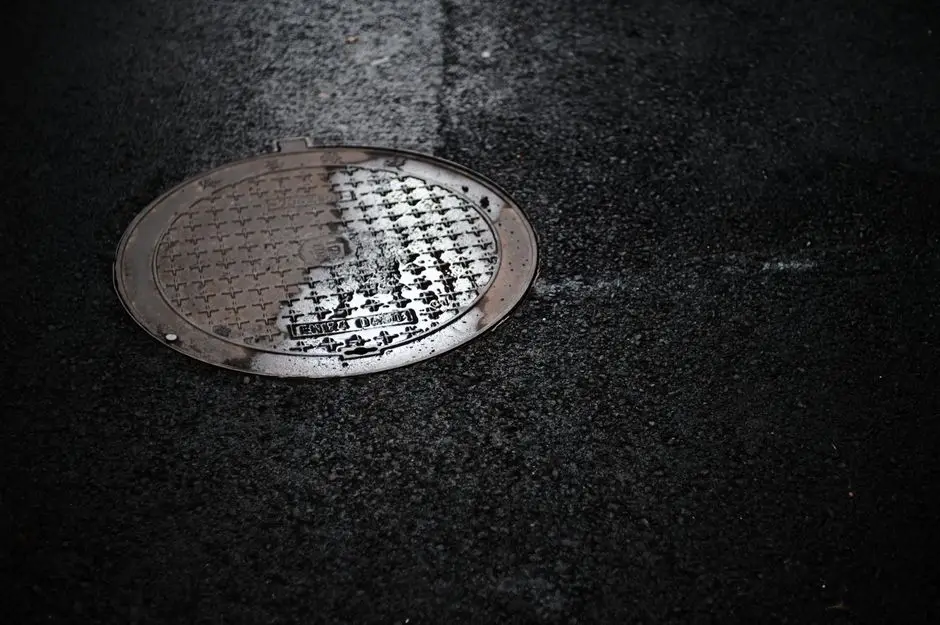 Sewer Line InspectionA camera inspection is step one of every emergency call. We grade the pipe with NASSCO PACP standards and show you the footage, so you know whether you need a spot repair or a full replacement before you spend a dollar.Explore →
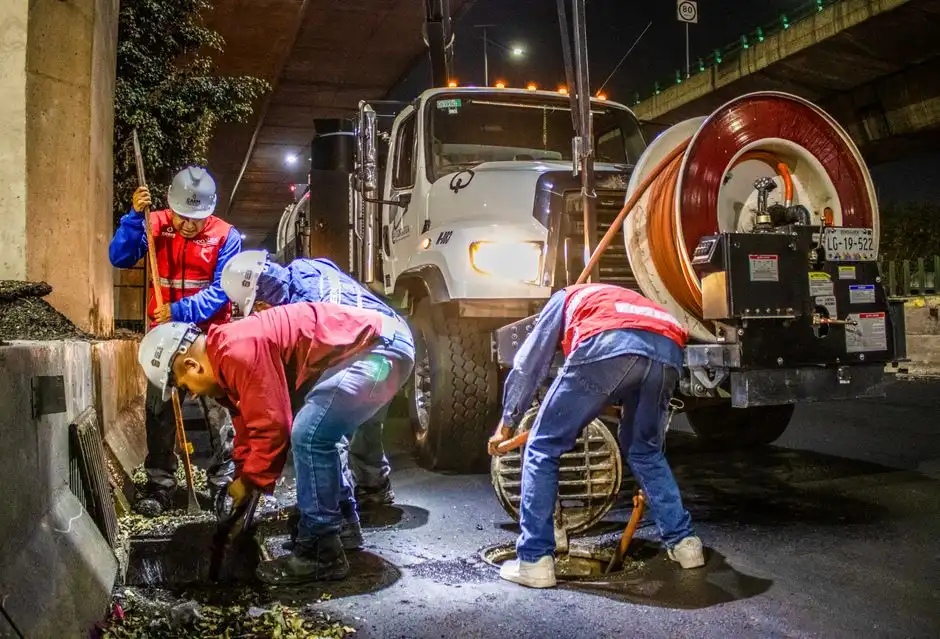 Sewer Line ReplacementWhen a line is too far gone for a spot fix, full replacement is the honest answer. We swap out failed cast iron pipe or clay pipe for new PVC pipe or HDPE pipe, sized and sloped to code, with a warranty on the work.Explore →
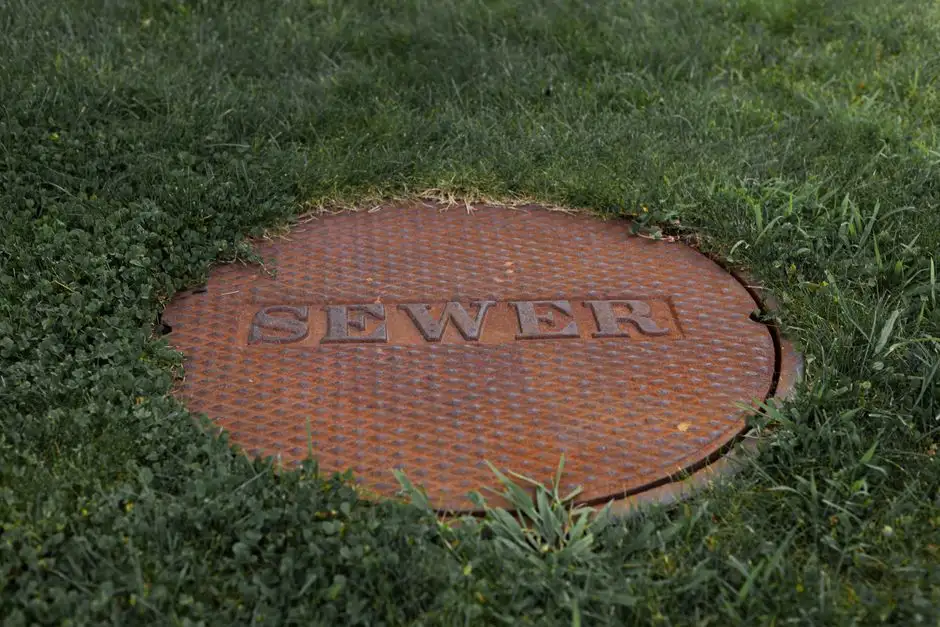 Trenchless Sewer RepairTrenchless repair fixes the line without tearing up your driveway, patio, or lawn. We use pipe bursting and lining methods to restore flow while keeping your landscaping intact, which matters when the break sits under concrete or mature trees.Explore →
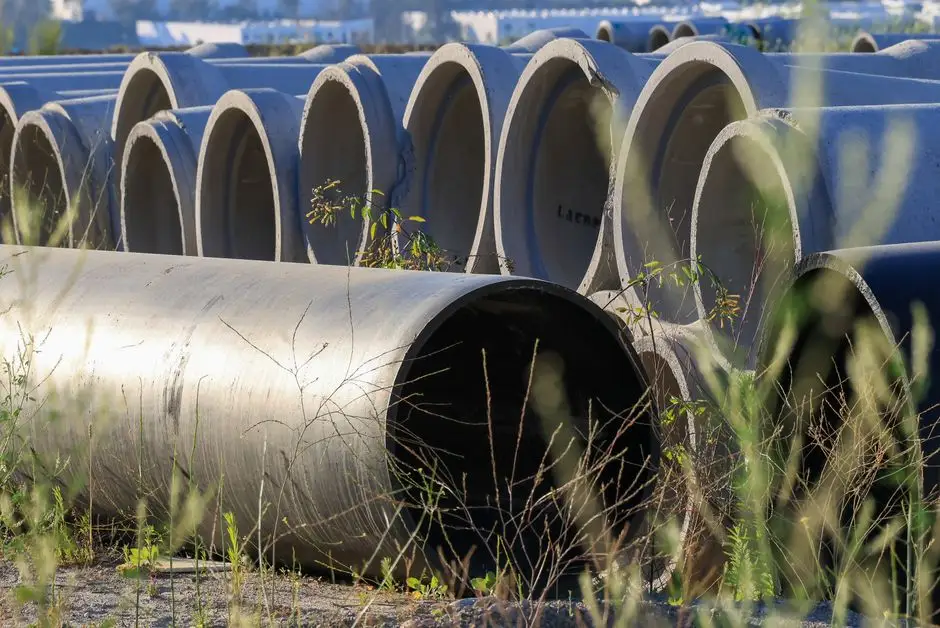 Sewer Pipe LiningCIPP liner creates a new pipe inside the old one, sealing cracks and joints without excavation. It is a strong option for aging clay pipe and cast iron pipe that still has good structural shape but leaks at every joint.Explore →
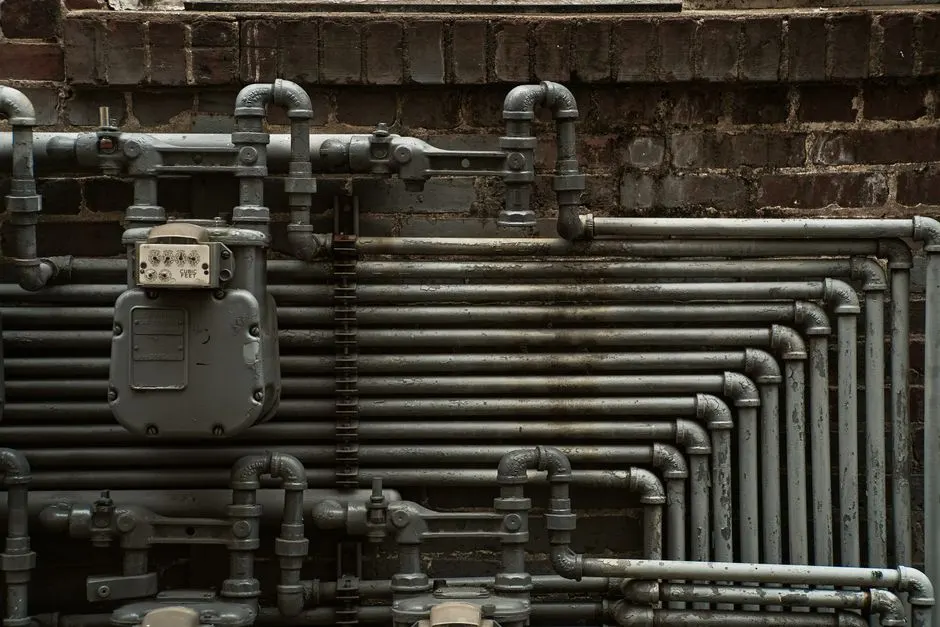 Pipe BurstingPipe bursting pulls a new HDPE pipe through the old line while breaking the failed pipe outward. It handles root-damaged and collapsed sections that lining cannot fix, and it does the job with minimal digging.Explore →
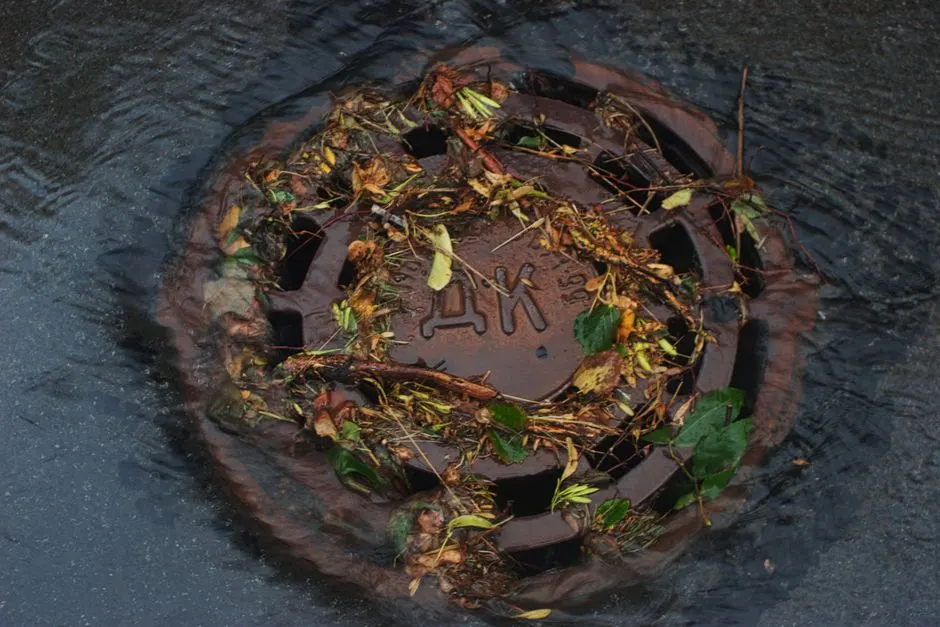 Sewer Line Clog RemovalNot every backup is a broken pipe. Grease buildup and soft blockages clear fast with hydro jetting and a drain snake. We camera the line afterward to confirm nothing structural caused the clog.Explore →
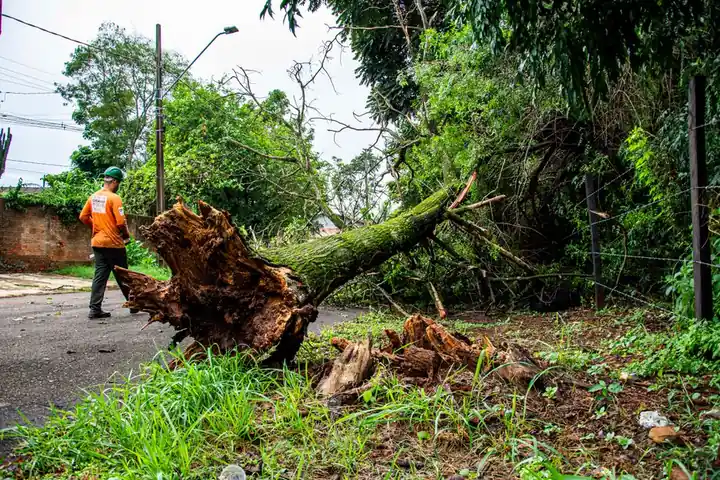 Tree Root RemovalOak and ficus roots invade Florida sewer lines through joint gaps and cracks. We cut them out with a root cutter and hydro jetting, then camera the line to see whether the pipe needs repair or just a follow-up maintenance schedule.Explore →
 Sewer Backup RepairWhen sewage backs into tubs and floors, the priority is stopping it and cleaning up safely. We clear the blockage, repair the failed section, and test flow so the backup does not repeat next storm season.Explore →
Sewage backup does not wait for business hours, and neither do we. Our licensed crews are on call 24/7 with cameras, jetters, and repair parts loaded. One call starts the fix.
Call Now +18003333693 →Reach out anytime, day or night. Our dispatch team answers calls 24/7 and can schedule a same-day inspection or emergency repair. We serve all of Florida, from the Keys to the Panhandle. Call, email, or fill out the form and we'll get back to you within minutes.